




Mani Rimdu Festival 2026: A Complete Guide to Nepal’s Sacred Everest Celebration
Posted on: Monday, August 24th, 2026.What is the Mani Rimdu Festival?
Nepal is a country rich in festivals that reflect its diverse religions, cultures and traditions. These celebrations are an important part of the country’s heritage and bring communities together to preserve their customs and beliefs.
Among Nepal’s many cultural celebrations, the Mani Rimdu Festival is one of the most important Tibetan Buddhist festivals celebrated by the Sherpa communities of the Everest region. It is a vibrant and spiritual festival that brings together monks and local communities through prayers, rituals, masked dances and traditional ceremonies.
The name Mani Rimdu comes from the Tibetan words “Mani,” referring to a mantra or religious chant, and “Rimdu,” referring to sacred pills or blessings. The festival begins with the creation and installation of a colourful mandala by the monks of Tengboche Monastery in the Khumbu region.
The celebration traditionally lasts for three days during the ninth month of the Tibetan lunar calendar. Since the Tibetan lunar calendar changes each year, the festival dates also vary. In 2026, Mani Rimdu Festival will be celebrated on 26th, 27th and 28th October
History and Significance of Mani Rimdu
The history of Mani Rimdu goes back to the late 19th or early 20th century. The festival is associated with Lama Ngawang Tenzin Norbu, a respected Tibetan Buddhist practitioner who helped establish the tradition in the Everest region.
The rituals of Mani Rimdu are influenced by Nyingma Buddhist traditions and have been passed down through generations of Buddhist practitioners. The festival celebrates the values of compassion and wisdom while helping devotees overcome ignorance. Through prayers, rituals and blessings, Mani Rimdu is believed to bring peace, good fortune and spiritual well being to the community.
What Happens During the Mani Rimdu Festival?
One of the first important ceremonies of the Mani Rimdu Festival is the creation of the mandala. It is a sacred sand painting carefully created by the monks using symbolic colours, patterns and figures. The mandala represents the spiritual teachings and beliefs of Tibetan Buddhism.
Although the complete Mani Rimdu ceremony lasts for 19 days, the final three days are open to the public. Each of these three days has its own ceremonies, rituals and traditions, making every day of the festival unique.
Wong: Public Empowerment Ceremony
Wong is the first public event of the Mani Rimdu Festival and marks the spiritual opening of the celebration for devotees and visitors. The ceremony is led by the head Lama, who performs tantric rituals and chants Buddhist mantras while offering blessings to those attending.
Other monks take part in the prayers and ceremonies, while Buddhist texts are recited throughout the ritual. Local villagers and trekkers visiting the Everest region can attend the Wong ceremony, receive blessings and experience this important part of the Mani Rimdu Festival.
Chham: Mask Dance Ritual
Chham is one of the most colourful and captivating parts of the Mani Rimdu Festival. During this ritual, monks from Tengboche Monastery wear sacred masks and perform traditional dances that represent the victory of good over evil.
The dance includes symbolic representations of deities and demons. The deities represent wisdom, compassion and protection, while the demons represent ego, anger and the obstacles that can stand in the way of spiritual growth.
The performance becomes even more vibrant with traditional Buddhist music. Monks play drums, horns and cymbals as the dancers perform the sacred ritual.
Ser Kyem: Offering to the Deities
Ser Kyem is a lesser known but meaningful ceremony of the Mani Rimdu Festival. In Tibetan, “Ser” means gold and “Kyem” means drink. The ceremony involves making sacred offerings to the guardian deities and spirits.
During the ritual, offerings are placed in a golden vessel while monks recite traditional tantric mantras and prayers for blessings and protection. The ceremony reflects the practice of giving with devotion and receiving spiritual blessings in return.
Fire Puja: Cleansing Ceremony
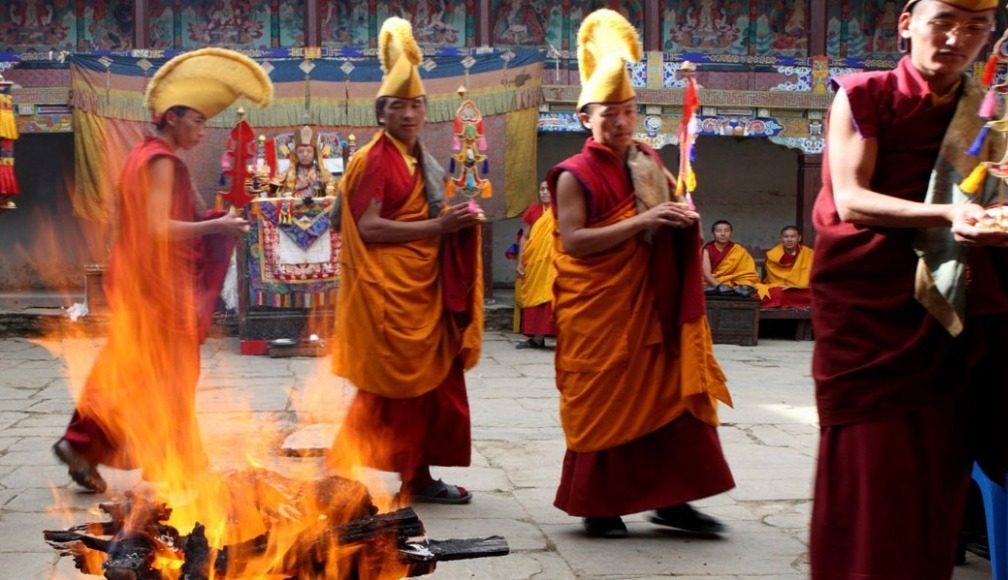
The Fire Puja, also known as Jinsak, is an important ceremony held on the final day of the Mani Rimdu Festival. It takes place outdoors under the open sky and is performed as a ritual of purification.
During the ceremony, monks chant mantras and offer tormas, which are specially prepared dough offerings, into the fire. The ritual is believed to help remove negative energy, harmful influences and negative karma accumulated throughout the year. The smoke from the fire symbolizes the removal of obstacles and the purification of the mind and surroundings.
Where is the Mani Rimdu Festival Celebrated?
The Mani Rimdu Festival is celebrated in monasteries across the Everest region of Nepal. The festival is particularly associated with Tengboche Monastery and is also observed in other monasteries such as Thame Monastery near Namche Bazaar and Chiwong Monastery.
The festival brings together the Sherpa community to celebrate and preserve their Buddhist traditions and cultural heritage. Trekkers travelling through the Everest region during Mani Rimdu can also attend the public ceremonies, experience the colourful traditions and receive blessings from the monks.
FAQs on Mani Rimdu Festival
1. What does “Mani Rimdu” mean?
FAQs on Mani Rimdu Festival
1. What does “Mani Rimdu” mean?
“Mani” means mantra (religious chant) and “Rimdu” means sacred pill or blessing in Tibetan.
2. When is the Mani Rimdu Festival celebrated?
It falls during the 9th month of the Tibetan Lunar calendar over 3 days. In 2026, it will be held on the 26th, 27th, and 28th of October.
3. Who celebrates the Mani Rimdu Festival?
The Sherpa communities of Nepal’s Everest Region, led by the monks of Tengboche Monastery.
4. How long does the festival last?
The full festival spans 19 days, but the last 3 days are open to the public for celebration.
5. What are the main events of the festival?
The four key ceremonies are Wong (public blessing), Chham (sacred mask dance), Ser-keym (offering to deities), and Fire Puja (cleansing ritual).
6. Can tourists attend the Mani Rimdu Festival?
Yes, local villagers and trekkers passing through the Everest region are welcome to attend and receive