




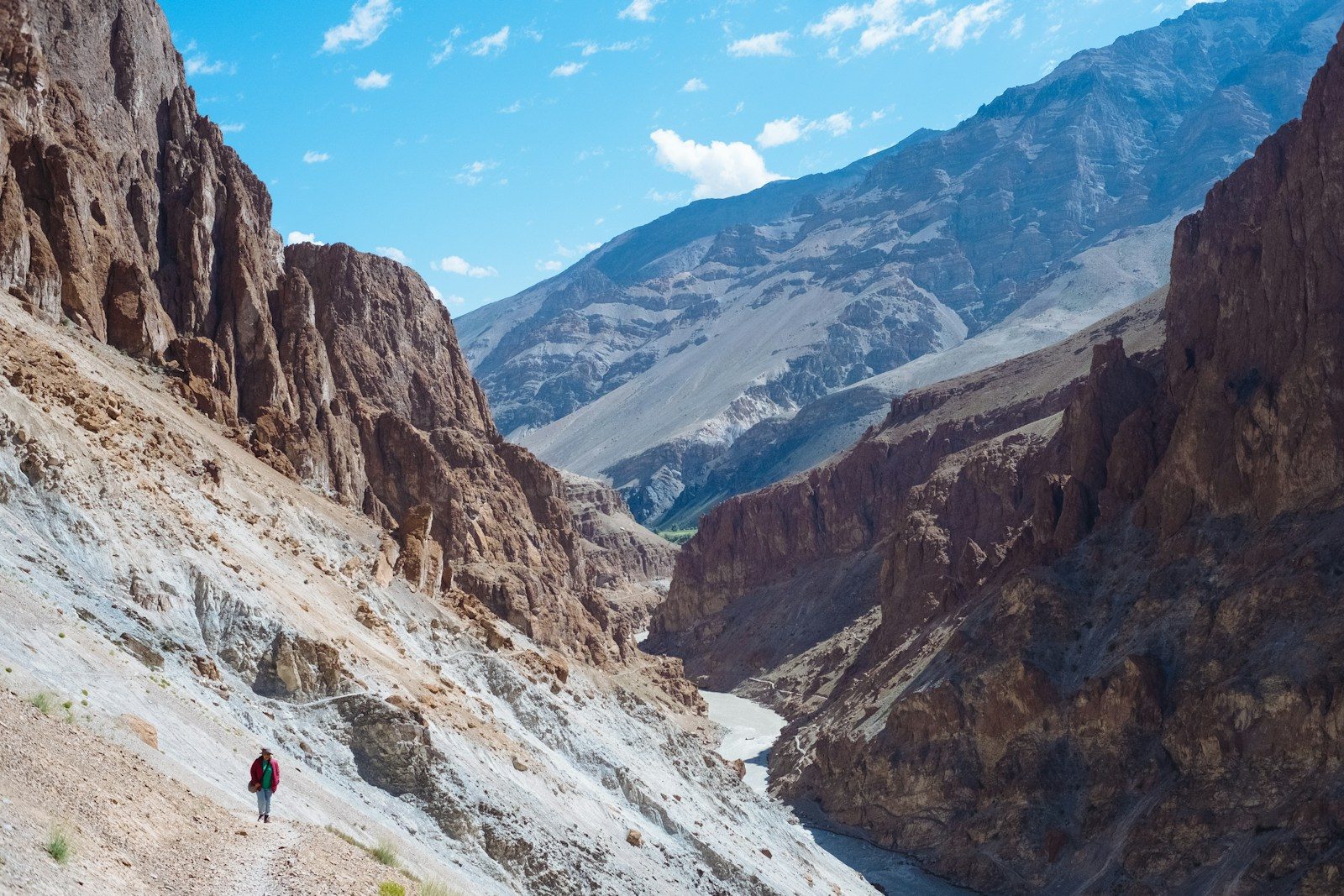
15 Best Treks in Nepal: From Beginner-Friendly Trails to Remote Himalayan Adventures
Posted on: Tuesday, October 13th, 2026.15 Best Treks in Nepal: From Beginner-Friendly Trails to Remote Himalayan Adventures
Nepal is one of the world’s most remarkable destinations for trekking. Home to Mount Everest and many other famous Himalayan peaks, the country offers a wide range of walking routes through traditional villages, green valleys, rhododendron forests, high mountain passes, alpine lakes, and remote Himalayan landscapes.
One of the best things about trekking in Nepal is that you do not need to be an experienced mountaineer to enjoy the mountains. Some routes are suitable for first-time trekkers with reasonable fitness, while others require previous trekking experience, more preparation, and careful acclimatization.
Many popular routes have teahouses and small lodges where trekkers can sleep, eat, and rest during the journey. On remote routes, however, accommodation may be basic or limited, and camping or additional logistical support may be necessary.
The right trek depends on your available time, fitness, interests, and the kind of experience you want. Some travelers prefer a short trek with beautiful mountain views, while others want to cross high passes, explore traditional Buddhist communities, or travel far from the busiest trails.
Here are 15 trekking destinations in Nepal worth considering, from accessible routes for beginners to demanding adventures for experienced trekkers.
1. Ghorepani Poon Hill Trek
Duration
4–6 days
Difficulty
Easy to moderate
Best seasons
Spring and autumn
The Ghorepani Poon Hill Trek is one of the best choices for people experiencing Himalayan trekking for the first time. It offers beautiful mountain views, traditional villages, forest trails, and comfortable access from Pokhara without requiring a long expedition.
The route passes through settlements such as Tikhedhunga, Ghorepani, and Ghandruk, depending on the itinerary. Along the way, trekkers walk through rhododendron forests, terraced hillsides, and villages where local Gurung and Magar cultures are part of everyday life.
The main highlight is the early morning walk to Poon Hill. From the viewpoint, trekkers can enjoy panoramic views of the Annapurna and Dhaulagiri ranges as the rising sun illuminates the snowy peaks.
Although this is a relatively short trek, there are many stone steps and uphill sections. A reasonable level of fitness is helpful, and walking at a comfortable pace makes the experience more enjoyable.
Accommodation: Teahouses and guesthouses are available along the established route.
Who is it for? First-time trekkers, couples, families with suitable fitness, and travelers with limited time who want to experience Nepal’s mountain scenery.
2. Langtang Valley Trek
Duration
7–10 days
Difficulty
Moderate
Best seasons
Spring and autumn
Langtang Valley is an excellent option for trekkers who want a rewarding Himalayan journey without travelling to the Everest region. Located north of Kathmandu, it combines mountain scenery, traditional villages, forests, and Buddhist cultural heritage.
The trek begins with a road journey to the trailhead before following the Langtang Khola through forests and mountain settlements. As the trail climbs, the valley opens towards spectacular mountain views, eventually reaching Langtang Village and Kyanjin Gompa.
Kyanjin Gompa is a highlight of the journey. Trekkers can explore the settlement, enjoy views of surrounding peaks, and take optional hikes to nearby viewpoints if they are feeling well acclimatized.
Langtang is longer than a short beginner trek, but it can be suitable for first-time trekkers who are reasonably fit and have enough time to walk at a relaxed pace. The altitude increases considerably, so proper acclimatization is important.
Accommodation: Teahouses and local guesthouses are available along the main trail, although facilities become simpler at higher elevations.
Who is it for? Travelers seeking mountain scenery, cultural experiences, and a longer trek without undertaking a high-pass circuit.
3. Short Annapurna Village Treks
Duration
3–7 days
Difficulty
Easy to moderate
Best seasons
Spring and autumn
Not everyone has the time or fitness for a week-long trek. The Annapurna region offers shorter routes around villages such as Ghandruk and other accessible settlements where visitors can enjoy mountain views and experience local culture without committing to a long expedition.
These journeys pass through terraced fields, stone stairways, forests, and traditional villages. Depending on the itinerary, trekkers can enjoy views of Annapurna South, Hiunchuli, Machapuchare, and other surrounding peaks.
Ghandruk is particularly appealing for its Gurung heritage, traditional architecture, and mountain scenery. It is also an opportunity to learn about village life and the communities that support tourism in the region.
Shorter does not always mean easy. Some routes include steep climbs and many stone steps, so the itinerary should match the group’s fitness and available time.
Accommodation: Village guesthouses and teahouses are generally available on established routes.
Who is it for? Beginners, travelers with limited time, and people who want a gentle introduction to trekking in Nepal.
4. Annapurna Base Camp Trek
Duration
7–12 days
Difficulty
Moderate
Best seasons
Spring and autumn
The Annapurna Base Camp Trek leads into a spectacular mountain sanctuary surrounded by towering Himalayan peaks. It is a rewarding choice for travelers who want to walk close to the mountains without committing to a very long expedition.
The route commonly passes through villages such as Ghandruk and Chhomrong before climbing through forests, narrow valleys, and alpine terrain. As trekkers gain altitude, the landscape gradually changes from green hillsides to a dramatic mountain environment.
The final approach to Annapurna Base Camp offers impressive views of the surrounding peaks, including Annapurna South and Machapuchare. The sense of being surrounded by enormous mountain walls is one of the most memorable aspects of the journey.
The trail includes repeated ascents and descents, often with long stone staircases. Although it does not require technical climbing, the altitude and daily walking distances make preparation important.
Accommodation: Teahouses are available along the main route, with facilities varying by location.
Who is it for? Reasonably fit beginners and intermediate trekkers who want a close-up Himalayan experience and have enough time to acclimatize.
5. Everest Base Camp Trek
Duration
12–14 days
Difficulty
Moderate to challenging
Best seasons
Spring and autumn
The Everest Base Camp Trek is one of the world’s most recognized trekking adventures. It brings travelers into the heart of the Khumbu region, where Sherpa culture, Buddhist monasteries, glaciers, and enormous Himalayan peaks shape the journey.
Most itineraries begin with a flight to Lukla and continue through Phakding and Namche Bazaar. Namche is an important Sherpa town and an ideal place to spend time acclimatizing before walking higher into the mountains.
The trail passes through Tengboche, Dingboche, Lobuche, and Gorak Shep. Along the way, trekkers encounter prayer flags, mani walls, monasteries, suspension bridges, and increasingly rugged landscapes.
Reaching Everest Base Camp is a major achievement, while the hike to Kala Patthar offers one of the classic viewpoints of Everest. Trekkers should understand that reaching base camp does not mean standing on the summit of Everest. The trek is a high-altitude hiking journey, not a mountain-climbing expedition.
Accommodation: Teahouses are available along the main route, but rooms and facilities become more basic at higher elevations.
Who is it for? Travelers with good preparation who want to experience a world-famous Himalayan route. First-time trekkers may be able to complete it, but they should prepare carefully and follow a suitable acclimatization schedule.
6. Gokyo Lakes Trek
Duration
10–13 days
Difficulty
Moderate to challenging
Best seasons
Spring and autumn
The Gokyo Lakes Trek is an excellent alternative to the classic Everest Base Camp route. It leads to a series of beautiful high-altitude lakes surrounded by glaciers, rocky slopes, and dramatic Himalayan peaks.
The route usually follows the Everest trail to Namche Bazaar before branching towards Dole, Machhermo, and Gokyo. Compared with the busiest sections of the Everest Base Camp route, some parts of the Gokyo trail can feel quieter.
The turquoise lakes are the main attraction, while the nearby Ngozumpa Glacier creates a striking landscape. Trekkers can also climb Gokyo Ri for panoramic views of Everest, Lhotse, Makalu, and Cho Oyu when the weather is clear.
Although the trail is not technically a climbing route, the altitude makes it physically demanding. A gradual itinerary and appropriate rest days are essential.
Accommodation: Teahouses are available in the main settlements, with simpler facilities at higher elevations.
Who is it for? Trekkers who want high mountain views, alpine lakes, and a quieter alternative to the standard Everest Base Camp route.
7. Annapurna Circuit Trek
Duration
12–18 days
Difficulty
Moderate to challenging
Best seasons
Spring and autumn
The Annapurna Circuit is a classic Himalayan journey known for its changing landscapes, cultural diversity, and high mountain pass. Depending on the chosen itinerary, trekkers can experience everything from green valleys and farmland to alpine terrain and dry, high-altitude landscapes.
The traditional route follows the Marsyangdi Valley through settlements such as Chame, Pisang, and Manang. Manang is an important acclimatization stop before continuing towards the higher sections.
The biggest challenge is crossing Thorong La Pass, at approximately 5,416 metres. The crossing usually requires an early start and careful attention to weather, altitude, and trail conditions.
After the pass, the trail descends towards Muktinath, an important pilgrimage destination for Hindu and Buddhist communities. The journey may continue through Mustang towards Jomsom, depending on the itinerary and transport arrangements.
Road development has changed some parts of the traditional circuit, so choosing appropriate walking trails is important when planning the route.
Accommodation: Teahouses and guesthouses are available in established settlements.
Who is it for? Trekkers with good endurance who want a longer journey with a high pass and varied Himalayan landscapes.
8. Manaslu Circuit Trek
Duration
14–18 days
Difficulty
Challenging
Best seasons
Spring and autumn
The Manaslu Circuit offers spectacular mountain scenery, traditional villages, and a trekking experience through a region with strong Tibetan cultural influences. It is a rewarding option for travelers who want to explore a less-busy alternative to some of Nepal’s most popular trekking routes.
The trail follows the Budhi Gandaki Valley, passing waterfalls, suspension bridges, terraced fields, and forested hillsides. Higher up, the scenery becomes more rugged, with Buddhist monasteries and traditional villages set beneath towering mountains.
Samagaun is an important stop for acclimatization and exploring the surrounding area. The route later approaches Larkya La Pass, at approximately 5,106 metres, which is one of the major challenges of the trek.
Accommodation: Teahouses operate along the established route, but facilities are basic in many settlements.
Who is it for? Experienced or well-prepared trekkers who want a remote-feeling Himalayan circuit and cultural experiences.
Manaslu is a restricted trekking region. Current permits and guide and group requirements must be checked before departure.
9. Khopra Danda Trek
Duration
7–10 days
Difficulty
Moderate to challenging
Best seasons
Spring and autumn
Khopra Danda is a beautiful option for trekkers looking for wide Himalayan views and a route that can be quieter than the main Annapurna trails.
The trek passes through villages, forests, and open ridgelines before reaching Khopra Ridge. From here, the views include Dhaulagiri, Annapurna South, and other surrounding peaks.
One of the special features of the route is its community-based accommodation. Staying in community lodges helps support local livelihoods and provides opportunities to connect with the people who live in the region.
An optional excursion to Khayer Lake can be added for trekkers who have enough time and fitness. This is a longer, more strenuous high-altitude outing and should be planned carefully.
Accommodation: Community lodges and teahouses are available, with relatively simple facilities at higher elevations.
Who is it for? Travelers who want mountain panoramas, quieter trails, and an opportunity to support local communities.
10. Pikey Peak Trek
Duration
6–9 days
Difficulty
Moderate
Best seasons
Spring and autumn
Pikey Peak is a wonderful choice for travelers who want to explore the lower Solukhumbu region and enjoy Himalayan panoramas without completing the full Everest Base Camp trek.
The trail passes through traditional Sherpa settlements, forests, monasteries, and open hillsides. The journey offers a closer look at local culture and village life, away from some of the busiest trekking corridors.
The main highlight is the view from Pikey Peak. On a clear day, the panorama stretches across the Himalayan range, with Everest and other major peaks visible in the distance.
Pikey Peak is shorter than many high-altitude treks, but the trail still involves uphill walking and can be cold and exposed near the viewpoint. Trekkers should prepare for changing mountain weather.
Accommodation: Local lodges and teahouses are available along established itineraries, although facilities vary.
Who is it for? Travelers who want a shorter Himalayan adventure, cultural experiences, and impressive mountain views without the length of Everest Base Camp.
11. Upper Mustang Trek
Duration
10–14 days
Difficulty
Moderate to challenging
Best seasons
Spring and autumn
Upper Mustang offers a very different experience from Nepal’s greener mountain valleys. Located in the rain shadow of the Annapurna and Dhaulagiri ranges, the region is known for its dry landscapes, eroded cliffs, ancient settlements, and strong Tibetan cultural heritage.
The journey leads through traditional villages towards Lo Manthang, a historic walled town that remains one of the region’s most distinctive cultural destinations.
Along the way, trekkers can explore monasteries, traditional homes, prayer walls, and landscapes shaped by wind and erosion. The experience focuses as much on culture and history as on mountain scenery.
Accommodation is available in village guesthouses, although facilities vary. The dry environment does not mean weather conditions are always easy, and wind can make walking uncomfortable.
Accommodation: Basic guesthouses and teahouses operate along the established route.
Who is it for? Travelers interested in cultural heritage, unusual landscapes, and the Tibetan-influenced traditions of the Himalayas.
Upper Mustang requires a restricted-area permit. Current permit costs and rules should be confirmed before booking.
12. Tsum Valley Trek
Duration
14–18 days
Difficulty
Moderate to challenging
Best seasons
Spring and autumn
Tsum Valley is a culturally rich trekking destination in northern Gorkha. Known for its Buddhist monasteries, traditional settlements, and Tibetan-influenced heritage, it offers a quieter experience than Nepal’s major trekking corridors.
The route passes through villages, cultivated fields, forests, and dramatic mountain landscapes before reaching settlements deeper in the valley.
Monasteries such as Rachen Gompa and Mu Gompa are important cultural highlights. They provide insight into local Buddhist traditions and the role of religion in the community.
The trek involves remote sections where transport, accommodation, and other services are limited. A well-planned itinerary is important, especially for travelers who have not previously trekked in remote mountain regions.
Accommodation: Basic teahouses and local guesthouses are available along the main route.
Who is it for? Travelers interested in Buddhist culture, remote villages, and a longer trekking experience.
Tsum Valley has restricted-area rules. Permit and guide requirements should be confirmed before travel.
13. Everest Three High Passes Trek
Duration
17–21 days
Difficulty
Very challenging
Best seasons
Spring and autumn
The Everest Three High Passes Trek is one of the most demanding established trekking routes in the Khumbu region. It combines high mountain passes, glaciers, remote valleys, and spectacular views.
The route crosses Kongma La, Cho La, and Renjo La. Depending on the itinerary, it can also include Everest Base Camp, Kala Patthar, and the Gokyo Lakes.
Each pass presents its own challenge, with long walking days, rocky terrain, and possible snow or ice. Conditions can change quickly, so the route requires flexibility and careful planning.
Accommodation: Teahouses are available in the main valleys, although facilities are basic at higher elevations.
Who is it for? Experienced trekkers with good endurance and confidence on demanding mountain trails. It is not a suitable first choice for most beginners.
14. Api Base Camp Trek
Duration
Approximately 10–15 days or longer
Difficulty
Challenging
Best seasons
Spring and autumn
Api Base Camp is an adventurous destination in far-western Nepal, near Api Himal, which rises to approximately 7,132 metres. The region offers remote valleys, rugged mountain scenery, forests, and traditional communities.
Unlike the established Everest and Annapurna trails, the journey requires careful logistical planning. Reaching the trailhead involves additional travel, and the availability of accommodation and supplies is more limited.
The trek passes through rural settlements before continuing into increasingly remote terrain. The experience is particularly rewarding for travelers who want to discover a less-visited part of Nepal and experience its landscapes and communities at a slower pace.
Accommodation: Local accommodation may be available in some settlements, but camping and organized support may be necessary on remote sections. The arrangements should be confirmed before departure.
Who is it for? Experienced or adventurous trekkers who are comfortable with basic facilities, remote conditions, and more complicated logistics.
Api Base Camp should not be advertised as a standard teahouse trek. A knowledgeable local operator can help plan access, accommodation, supplies, and emergency arrangements.
15. Kanchenjunga Base Camp Trek
Duration
Approximately 18–24 days or longer
Difficulty
Very challenging
Best seasons
Spring and autumn
The Kanchenjunga Base Camp Trek is one of Nepal’s most remote and ambitious trekking journeys. Located in eastern Nepal, it explores the region surrounding Mount Kanchenjunga, the world’s third-highest mountain.
The route passes through forested valleys, traditional settlements, glaciers, and increasingly rugged mountain terrain. The remoteness is part of the experience, but it also means the journey requires more time and preparation than many popular trekking routes.
Depending on the itinerary, trekkers can visit the North Base Camp at Pangpema, the South Base Camp area near Oktang, or combine both sides into a longer circuit.
The trek offers extraordinary mountain scenery and opportunities to experience the cultural diversity of eastern Nepal. However, facilities become limited in the higher and more remote sections, and weather or transport delays may affect the itinerary.
Accommodation: Basic teahouses and local lodges are available in some settlements, while camping and additional support may be required on certain sections.
Who is it for? Experienced trekkers who are prepared for a long journey, remote conditions, high altitude, and limited facilities.
Kanchenjunga has restricted-area requirements. Current permits, guide requirements, and route arrangements must be confirmed before booking.
How to Choose the Right Trek in Nepal
The best trek is not necessarily the longest or the most famous one. It is the trek that suits your fitness, available time, interests, and comfort level.
For beginners
- Ghorepani Poon Hill
- Short Annapurna village treks
- Selected shorter routes around accessible villages
For reasonably fit first-time trekkers
- Langtang Valley
- Annapurna Base Camp, with a suitable itinerary
- Pikey Peak
For trekkers with more experience
- Everest Base Camp
- Gokyo Lakes
- Annapurna Circuit
- Khopra Danda
- Upper Mustang
- Tsum Valley
- Manaslu Circuit
For experienced trekkers seeking a major challenge
- Everest Three High Passes
- Api Base Camp
- Kanchenjunga Base Camp
These are general categories, not guarantees of difficulty. A person’s fitness, walking experience, acclimatization, and chosen itinerary can make a significant difference. Some shorter routes still involve steep climbs, while a well-planned longer trek may be manageable for a fit beginner.
Best Time to Trek in Nepal
Spring, March to May: A popular season for trekking, with warmer days and rhododendrons flowering in many regions. Mountain views are often excellent, although clouds can develop later in the day.
Autumn, September to November: Generally one of the best periods for mountain views and trekking conditions. Popular routes can be busy, so accommodation and transport should be arranged in advance.
Winter, December to February: Some lower routes remain possible, but high passes can be affected by heavy snow and freezing temperatures. Remote lodges may close seasonally.
Monsoon, June to August: Rain, landslides, leeches, and poor visibility can affect many trails. Upper Mustang is in a rain-shadow region and may be a better option, depending on local conditions.
Conditions vary from region to region. Check the weather, road access, trail status, and accommodation availability before finalizing an itinerary.
Accommodation and Meals on Trek
Teahouse trekking is one of the most accessible ways to explore Nepal. Most established routes have locally operated lodges where trekkers can sleep, enjoy meals, and rest between walking days.
Rooms are often simple, with twin beds and limited furniture. Bathrooms may be shared, and hot showers, electricity, Wi-Fi, and charging facilities vary by location. At higher elevations, rooms may not be heated, and nights can be very cold.
Meals commonly include dal bhat, rice, vegetables, noodles, soups, potatoes, and other familiar dishes. Food choices may become more limited as you travel higher or farther from larger settlements.
For remote treks such as Api Base Camp and parts of Kanchenjunga, camping or additional logistical support may be needed. These routes require more preparation than standard teahouse treks.
Do You Need a Guide for Trekking in Nepal?
Guide and permit requirements depend on the region and route. Restricted areas such as Manaslu, Tsum Valley, Upper Mustang, and Kanchenjunga have specific regulations, which should be checked before travel. Requirements can change, so do not rely solely on older travel information.
A qualified guide can help with navigation, accommodation, local cultural knowledge, group pace, and changing weather conditions. On remote routes, an experienced local operator can also help arrange transport, supplies, and appropriate emergency plans.
Even on routes that appear straightforward, trekking with a guide can make the experience more informative and reassuring, especially for people visiting Nepal for the first time.
What to Pack for a Trek in Nepal
Your packing list depends on the route, season, and altitude. Most trekkers should consider bringing:
- Comfortable hiking boots and suitable hiking socks
- Layered clothing and a warm insulated jacket
- Waterproof jacket and trousers
- A sleeping bag suitable for expected temperatures
- A headlamp, sun protection, and sunglasses
- Reusable water bottles and water treatment supplies
- Personal medication and a small first-aid kit
- Trekking poles, particularly for steep descents
- Travel insurance that covers trekking at the planned altitude
Pack carefully without carrying unnecessary weight. On high-altitude treks, warm clothing and appropriate equipment are essential, even during the main trekking seasons.
Trek Responsibly in Nepal
Trekking supports many mountain communities through accommodation, food services, guiding, portering, and local transport. Responsible travel means respecting local customs, reducing waste, following designated trails, and treating local people and their cultural traditions with consideration.
Choose itineraries that allow enough time to acclimatize rather than rushing to complete the route. Follow your guide’s advice, be prepared to adjust plans when conditions change, and never continue ascending when you may be experiencing serious altitude sickness.
On remote routes, responsible planning is especially important because emergency assistance and transport can be limited.
Plan Your Himalayan Trek with Ama Adventure
At Ama Adventure, we believe a good trek should be planned around the traveler, not simply around a destination. The right itinerary considers your fitness, experience, interests, available time, and the support you need along the way.
Whether you are looking for a short village trek, a cultural journey through the Himalayas, or a demanding high-altitude adventure, our team can help you explore suitable options across Nepal.
We also welcome women traveling alone, friends traveling together, private groups, and trekkers interested in women-led trekking experiences. Our approach focuses on thoughtful planning, local knowledge, safety, and responsible tourism.
From the sunrise views of Poon Hill to the cultural trails of Langtang, the famous Everest region, and the remote mountains of far-western Nepal, every journey offers a different way to discover the Himalayas.
Ready to plan your trek in Nepal?
Contact Ama Adventure to discuss your preferred destination, travel dates, and trekking experience.
- Email: info@amaadventure.com
- Website: amaadventure.com
- Phone: +977 9801956302
Note: Trekking durations are approximate and depend on the route, transport arrangements, acclimatization schedule, and trail conditions. Permit rules, accommodation, access, and closures should be confirmed locally before publication and booking.
One important point before this goes live: I have removed Mardi Himal from the list based on your update, but I have not independently verified its current closure status. Please confirm the latest local trail information, along with Api Base Camp access and current restricted-area regulations, before publishing.