




Is Nepal Trekking Safe After the Recent Floods and China–Nepal Border Situation in 2026?
Posted on: Wednesday, September 9th, 2026.Is Nepal Trekking Safe After the Recent Floods and China–Nepal Border Situation in 2026?
Updated: September 7, 2026 | Ama Adventure
Yes, Nepal remains open for trekking and tourism.
The major floods that occurred on August 26, 2026, particularly around Rasuwa and the Nepal–China border area, caused serious damage to roads, bridges, transportation routes, homes and local communities. The impact was significant, especially along the Rasuwa–Bhote Koshi–Trishuli corridor, and recovery work is continuing in several affected areas.
However, it is important to understand that the disaster was geographically concentrated. It does not mean that trekking across Nepal has stopped or that the entire country is unsafe for travelers. Nepal is a large mountainous country with many separate trekking regions, and several of the country’s most popular destinations, including Everest, Annapurna, Manaslu and Upper Mustang, are outside the main affected area and continue to welcome trekkers.
For travelers planning to visit Nepal this autumn, the most important thing is to look at the specific trekking route, road access and transportation arrangements rather than assuming that the entire country has been affected.
Nepal Is Still Open
The August 26 floods were a serious tragedy, particularly for communities in Rasuwa and areas downstream along the Trishuli River. Roads, bridges, settlements and other infrastructure were damaged, while access toward the Rasuwagadhi border was also disrupted.
Some downstream areas in Nuwakot, Dhading, Gorkha and surrounding districts experienced the effects of the disaster as well. These communities continue to face the difficult process of recovery and rebuilding.
At the same time, it is important not to view Nepal as one single affected area. The country’s trekking regions are spread across different valleys, mountain ranges and transportation corridors. A major flood affecting one river system does not mean that all trekking trails throughout Nepal are closed.
Hotels, restaurants, guides, porters, transportation providers and trekking agencies in many parts of Nepal continue to operate. Travelers are still arriving, trekking and supporting local businesses.
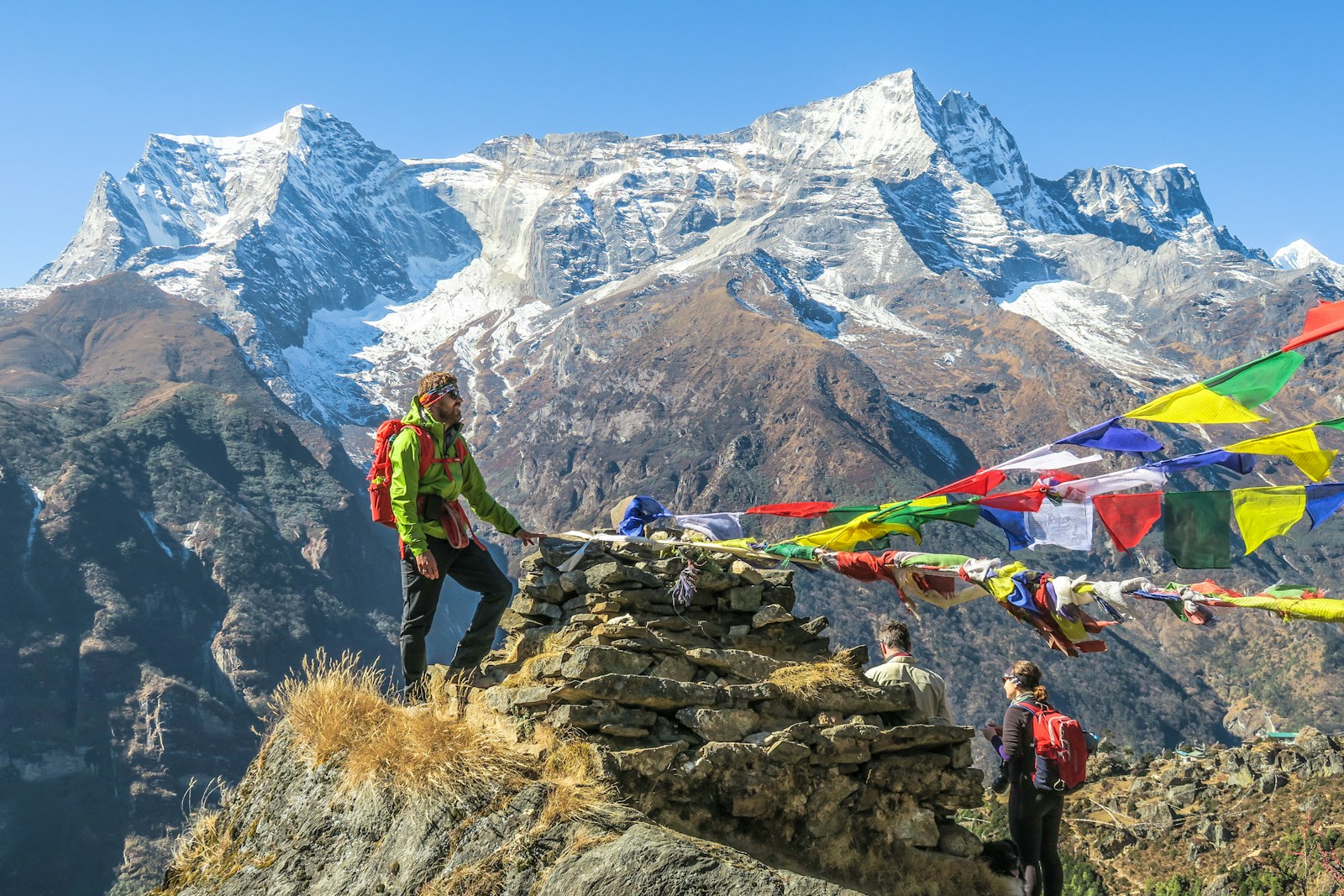
Nepal is open, and the Himalayas are still waiting for you. 🇳🇵
Which Areas Were Most Affected?
The strongest impact was reported around Rasuwa District and the Bhote Koshi–Trishuli river corridor. The affected area includes important transportation routes leading toward the Nepal–China border.
Some of the areas requiring particular attention include Timure, Rasuwagadhi, Syabrubesi and roads connecting these areas with the China border. Several bridges and sections of local infrastructure were also damaged.
This is particularly important for trekkers because Syabrubesi is the main gateway for the Langtang region. Therefore, the immediate concern for many travelers is not necessarily the condition of the entire trekking trail, but whether the road and transportation access to the starting point is currently safe and operational.
As recovery work continues, access conditions can change. Travelers should therefore obtain a current update before departing rather than relying on information from several weeks earlier.
What About Langtang, Tamang Heritage and Gosaikunda?
These routes require more careful planning at the moment because of their connection with the affected Rasuwa transportation corridor.
Langtang Valley Trek
Langtang Valley remains one of Nepal’s beautiful and popular trekking destinations, but access from Kathmandu through the Rasuwa corridor has been affected by the recent disaster.
The trekking area itself should not automatically be considered closed simply because the road access has been damaged. However, the condition of roads, bridges and transportation services can influence when and how trekkers can safely reach the trailhead.
Travelers planning Langtang should therefore check the latest local access conditions and work with a trekking operator that can adjust transportation arrangements if necessary.
Tamang Heritage Trail
The Tamang Heritage Trail is also connected to the Rasuwa area and therefore requires additional attention.
Because some roads and local infrastructure have been affected, the normal approach may not always be available or may require changes. Depending on the latest conditions, alternative transportation arrangements or itinerary adjustments may be possible.
Trekkers should receive a current update before departure and avoid making decisions based only on general reports about Nepal.
Gosaikunda Trek
The situation for Gosaikunda can vary depending on the starting point and access route used.
Some approaches may be affected by transportation difficulties, while alternative routes from the Kathmandu side may be possible depending on current conditions. For this reason, the exact itinerary should be reviewed before departure.
Which Major Trekking Routes Remain Open?
The recent flood was concentrated in a specific geographical area and did not directly affect several of Nepal’s major trekking regions.
| Trekking Region | Current Situation |
| Everest Base Camp | Operating |
| Gokyo Valley | Operating |
| Everest Three Passes | Operating |
| Annapurna Circuit | Operating |
| Annapurna Base Camp | Operating |
| Manaslu Circuit | Operating |
| Upper Mustang | Operating |
| Langtang Valley | Access requires confirmation |
| Tamang Heritage | Access requires confirmation |
| Gosaikunda | Access requires confirmation |
These conditions can change, particularly during the recovery period. Before departure, travelers should always receive a route-specific update covering transportation, trail conditions, weather and local circumstances.
Why Was Everest Not Directly Affected?
One of the most common questions travelers have is whether the Rasuwa flood affected the Everest Base Camp route.
The main reason it did not directly affect the Everest trekking trail is geography. The Everest region and the Rasuwa flood zone are located in different parts of Nepal and are separated by major mountain ranges and river systems.
The traditional Everest Base Camp journey begins around Lukla and continues through places such as Namche Bazaar, Tengboche, Dingboche and Lobuche before reaching Everest Base Camp. This route is separate from the Rasuwa–Bhote Koshi–Trishuli corridor where the major flooding occurred.
Therefore, the August 26 flood should not be interpreted as meaning that the Everest Base Camp trekking trail was flooded or closed.
The same geographical principle applies to major destinations in the Annapurna and Manaslu regions, which are also separate from the main disaster zone.
What About Annapurna and Manaslu?
The Annapurna and Manaslu trekking regions are geographically separate from the main Rasuwa disaster area and continue to be important options for travelers planning an autumn trek.
The Annapurna Circuit, Annapurna Base Camp and Manaslu Circuit remain popular trekking choices. However, being outside the main flood zone does not mean that normal mountain safety precautions should be ignored.
Nepal’s mountain environment can change quickly. Heavy rainfall, landslides, road conditions, altitude and local weather can affect travel even when there is no major disaster in the region.
For this reason, travelers should continue to check current conditions before and during their journey.
What About Upper Mustang?
Upper Mustang is another excellent option for travelers considering a trekking destination away from the affected northern-central corridor.
Located in the rain-shadow region of the Himalayas, Upper Mustang has a very different geographical and climatic environment from Rasuwa. The region was not directly affected by the August 26 flood event.
Travelers should still confirm current road conditions, transportation and permit arrangements before traveling, as conditions in mountainous areas can change independently from events elsewhere in Nepal.
Should You Cancel Your Nepal Trek?
Not necessarily.
If your trek is planned for Everest, Annapurna, Manaslu or Upper Mustang, there is no reason to automatically assume that your trip must be cancelled because of the Rasuwa floods.
If your itinerary includes Langtang, Tamang Heritage, Gosaikunda or the Rasuwagadhi border, however, it is important to speak with your trekking operator and receive a current update before making a final decision.
Depending on the situation, travelers may be able to continue their original trip, modify the itinerary, change the starting point, postpone their departure or choose another trekking region.
The right decision depends on the actual route, current access conditions and safety situation at the time of travel.
What About Tibet and Kailash Mansarovar?
Travelers planning to cross the Rasuwagadhi–Kerung border should take particular care.
This border corridor was directly affected by the disaster, so overland journeys to Tibet and Kailash Mansarovar trips using this crossing may face restrictions, delays or changes in transportation arrangements.
Travelers should confirm the latest information regarding:
- Border opening status
- Road conditions
- Alternative routes
- Tibet travel permits
- Transportation
- Departure dates
- Tibet-side arrangements
These journeys should be assessed separately from trekking routes such as Everest, Annapurna and Manaslu because they depend directly on the condition and operation of the border corridor.
Autumn Is Still a Great Time to Visit Nepal
September, October and November are traditionally among the most popular months for trekking in Nepal. Following the monsoon, the weather often becomes clearer, mountain views improve and trekking conditions are generally favorable.
Although some communities affected by the floods are still recovering, many parts of Nepal are preparing for the autumn tourism season. Local guides, porters, hotels, tea houses, restaurants, drivers and other tourism workers depend heavily on this period.
Responsible tourism can therefore play an important role in supporting communities as they recover. When you travel through Nepal, your spending reaches many local businesses and families, including guides, porters, accommodation providers, restaurants, transportation companies and mountain communities.
Traveling responsibly can be more than a holiday. It can also be a way of supporting local livelihoods.
Travel Responsibly and Stay Updated
Natural disasters can change conditions quickly, particularly in mountainous areas. Even when a trekking region is open, travelers should remain flexible and prepared to adjust their plans if necessary.
Before leaving for your trek, we recommend checking:
- Current road conditions
- Trail conditions
- Weather forecasts
- Transportation schedules
- Permit requirements
- Local authority notices
- Updates from your trekking company
Most importantly, do not rely only on general social media headlines. Ask about your specific destination, trail and access route.
Nepal Needs Visitors
The floods have caused heartbreaking losses, and many families and communities are still recovering. Our thoughts remain with everyone affected.
At the same time, Nepal is much more than one affected corridor. Across the country, people continue to work, welcome visitors and prepare for the autumn trekking season.
If your chosen destination is open and your journey can be operated safely, continuing with your Nepal trip can be a meaningful way to support local communities and the people whose livelihoods depend on tourism.
Come to Nepal. Trek responsibly. Support local communities. Stand with Nepal. 🇳🇵
Frequently Asked Questions
Is Nepal safe for trekking after the 2026 floods?
Many major trekking regions remain open and operational. However, conditions vary from one destination to another. Travelers should always check their specific route, transportation access and local conditions before departure.
Is Everest Base Camp affected by the Rasuwa flood?
The August 26 flood was concentrated mainly around the Rasuwa–Bhote Koshi–Trishuli corridor and did not directly affect the main Everest Base Camp trekking route.
Can I still trek the Annapurna Circuit?
The Annapurna region was not directly affected by the Rasuwa flood. Nevertheless, travelers should confirm current road, transportation and trail conditions before departure.
Is Langtang open?
Langtang requires additional attention because its normal road access passes through the affected Rasuwa corridor. Travelers should obtain an updated access report before departure and be prepared for possible transportation or itinerary changes.
Can I travel to Tibet through Rasuwagadhi?
The Rasuwagadhi–Kerung corridor was directly affected by the disaster. Travelers should therefore confirm the latest border, road, permit and transportation situation before making travel arrangements.
Should I cancel my Nepal holiday?
There is no need to automatically cancel a Nepal trip because of the Rasuwa flood. Instead, check whether your particular destination and access route are operating safely and make your decision based on the latest information.
Final Message
The August 2026 floods have reminded us how powerful nature can be and how vulnerable mountain communities can become during major disasters. Our thoughts remain with everyone affected and with the communities working hard to recover and rebuild.
At the same time, we want travelers to have clear and accurate information.
Nepal is not closed. Some areas need recovery, patience and careful planning, while many other trekking regions continue to welcome travelers.
Before you travel, check the latest conditions with your trekking operator and make decisions based on your actual itinerary rather than general reports about the country.
The Himalayas are still here. Nepal is still welcoming you. 🇳🇵