




Comprehensive Travel Guide for First-Time Visitors to Nepal
Posted on: Friday, April 10th, 2026.Comprehensive Travel Guide for First-Time Visitors to Nepal
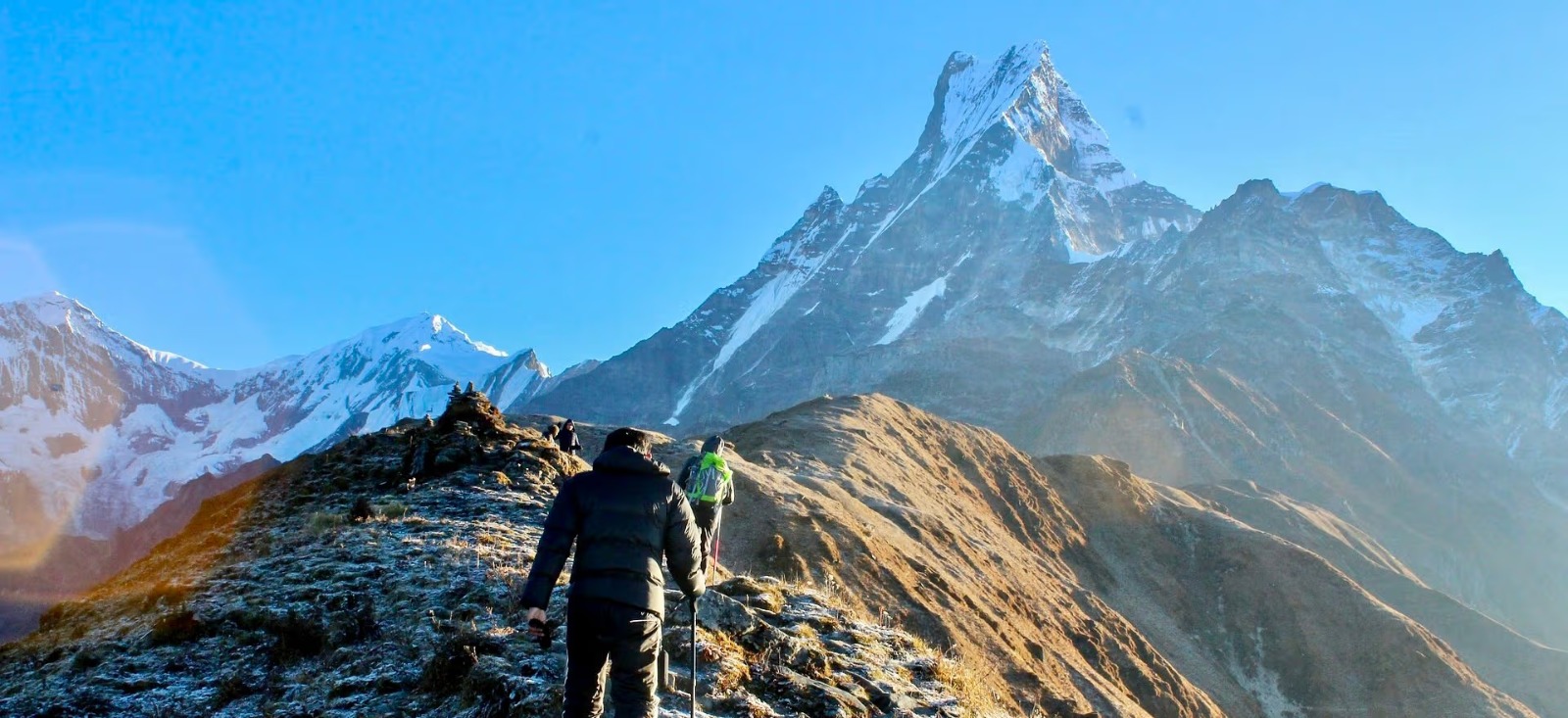
Nepal, a land of majestic peaks, ancient temples, and vibrant culture, continues to captivate travelers from around the globe. From Mount Everest and the Himalayan ranges to the lush forests and rivers of the Terai region, Nepal offers unparalleled natural beauty. Cultural and spiritual richness is found in the Kathmandu Valley, home to UNESCO World Heritage sites, centuries-old temples, and bustling local markets. Adventure enthusiasts can enjoy trekking, mountaineering, paragliding, and helicopter tours, while wildlife lovers can explore national parks like Chitwan and Bardia, home to Bengal tigers, one-horned rhinoceroses, and exotic bird species.
Nepal’s tourism sector is a cornerstone of its economy, welcoming hundreds of thousands of visitors each year. The warmth and hospitality of the Nepali people enhance the travel experience, making Nepal not just a destination but a memorable journey. For first-time travelers, navigating a new country can seem intimidating, but with proper planning and guidance, your visit can be smooth, safe, and enriching. This guide provides essential information, tips, and advice for travelers visiting Nepal for the first time.
Visa Requirements
Before arriving in Nepal, it is important to understand the visa process. Depending on your nationality and the purpose of your visit—tourism, business, or study—you may obtain a visa on arrival at Tribhuvan International Airport in Kathmandu, or apply in advance at a Nepali embassy. Visa types and durations vary based on your travel purpose. For first-time travelers, researching and arranging your visa in advance ensures smooth entry into the country and avoids unnecessary delays. Always check the latest requirements on official government websites.
Travel Insurance
Travel insurance is essential for covering unforeseen events such as medical emergencies, trip cancellations, or lost luggage. When planning adventures like trekking or mountaineering in the Himalayas, ensure your policy covers altitude sickness, evacuation, and emergency medical care. Carefully review policy coverage and exclusions, and consider your destination, activities, and duration of stay before purchasing insurance. This is particularly important for first-time travelers to ensure peace of mind throughout the journey.
Protect Important Documents
Keep your passport, visa, tickets, and other critical documents secure at all times. A money belt or a secure bag is recommended. Make photocopies or digital backups of your documents and store them separately, so you can access them if originals are lost or stolen. This simple precaution can prevent significant stress and delays during your trip.
Traveling Solo
While Nepal is generally safe, solo travel or trekking—especially in remote areas—can present risks such as difficult terrain, unpredictable weather, and limited medical facilities. First-time travelers are advised to travel in groups or hire licensed guides. A local guide not only ensures safety but also enriches the experience by providing cultural insights, language assistance, and logistical support.
Learn Basic Nepali Phrases
Learning a few simple Nepali words enhances communication and shows respect for local culture:
- Hello: Namaste
- Thank you: Dhanyabad
- How are you?: Tapai kasto cha?
- I’m fine: Malai thik cha
- Excuse me / Yes / Hajur: Hajur
Even minimal knowledge of the language can make interactions smoother, build rapport with locals, and improve your overall experience.
Sustainable and Responsible Travel
Nepal is actively promoting eco-friendly tourism. Travelers can contribute by using reusable bottles, avoiding single-use plastics, and supporting local businesses and eco-friendly accommodations. Respecting nature and cultural heritage not only preserves the environment but also creates meaningful and authentic travel experiences.
Health and Vaccinations
Before traveling, consult a healthcare provider to ensure vaccinations are up to date. This may include routine vaccines and travel-specific ones such as hepatitis A, typhoid, and yellow fever if coming from affected areas. COVID-19 precautions remain important. Additionally, travelers should carry basic medications and be aware of altitude sickness symptoms if trekking in high mountains.
Stay Connected
A local SIM card provides internet access, GPS navigation, and a reliable way to communicate. SIM cards can be purchased at airports or local outlets, and registration is required for security. Staying connected ensures peace of mind and convenience during your travels.
Experience Local Culture and Nightlife
Nepal’s cities, especially Thamel in Kathmandu and Lakeside in Pokhara, are lively centers of culture, shopping, and nightlife. Enjoy local food, handicrafts, live music, and street performances. Engaging with locals respectfully allows you to immerse yourself in Nepali traditions while having fun and socializing with fellow travelers.
Respect Local Customs
- Dress modestly, particularly in temples and rural areas.
- Remove shoes before entering religious sites.
- Avoid touching someone’s head, as it is considered sacred.
- Public displays of affection are generally inappropriate.
- Littering is strictly discouraged to preserve the environment.
- Seek permission before photographing individuals, especially in rural areas and religious sites.
Following these customs enhances your experience and prevents accidental disrespect.
Currency and Money Management
The official currency is the Nepalese Rupee (NPR). Exchange sufficient money on arrival to cover daily expenses, as foreign currencies are not widely accepted outside major cities. Use banks or licensed exchange services for safety and transparency.
Emergency Contacts
For safety, keep these numbers handy:
- Tourist Police (Kathmandu, Thamel, Pokhara): +977-1-4247041
- General Police Control: 100, 120, 130
- Department of Immigration: +977-1-4433934
These contacts are vital for prompt assistance in emergencies.
Tips for Solo Female Travelers
Nepal is generally safe for solo female travelers, but caution is recommended. Dress conservatively, avoid walking alone at night, and choose reputable guides and accommodations. With proper planning and awareness, solo female travel in Nepal can be safe, empowering, and enjoyable.
Best Time to Visit
- Trekking and mountaineering: September–November (clear skies and stable weather)
- Wildlife and nature tours: October–March
- Cultural tours: Year-round, best September–November
- Rafting and adventure sports: September–June
Avoid the monsoon season (June–September) due to heavy rainfall, landslides, and difficult travel conditions.
Planning and Itinerary Tips
Proper planning ensures a smooth and memorable trip:
- Confirm visa and entry requirements.
- Book transportation and accommodations in advance.
- Research activities and destinations to match your interests.
- Budget appropriately for accommodation, food, activities, and souvenirs.
- Consider hiring local guides for trekking and rural exploration.
Things to Avoid in Nepal
- Wearing revealing clothing, especially in temples and villages
- Ignoring local customs or religious practices
- Using your left hand for eating or rituals
- Littering or harming wildlife
- Taking photos without permission
- Touching sacred animals, such as cows
Solo Trekking Advice
Solo trekking is possible but requires preparation and awareness:
- Hire a licensed local guide for safety.
- Carry sufficient supplies, equipment, and emergency contacts.
- Maintain health and travel insurance, particularly for high-altitude trekking.
- Understand emergency evacuation procedures in case of altitude sickness or accidents.
Hiring a Guide
A licensed guide adds safety, cultural insight, and convenience, especially in remote regions. They help with language, route navigation, and logistics, ensuring a smooth and enjoyable experience. Choosing a reputable travel agency ensures professionalism and reliability.
Nepal offers unforgettable experiences through its stunning landscapes, rich culture, and warm hospitality. With careful preparation and attention to these tips, first-time travelers can enjoy a safe, comfortable, and truly memorable journey in the Land of Himalayas.