




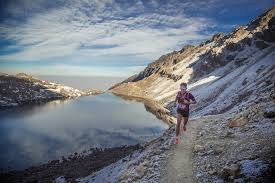
Trail Running in Nepal: Discover the Himalayas on Foot
Posted on: Sunday, April 12th, 2026.Nepal is world-famous for its towering peaks and ancient trails, drawing trekkers, climbers, and adventure seekerfor decades. In recent years, a new way to explore these landscapes is gaining popularity: trail running. Once dominated by slow-paced trekking and mountaineering, the trails of Nepal are now alive with runners seeking speed, endurance, and adventure.
What Is Trail Running?
Trail running involves running on natural terrain mountain paths, forest tracks, and uneven surfaces often at higher altitudes and over long distances. Unlike city marathons, it demands physical endurance, mental strength, agility, and a close connection with nature. Each trail offers an unpredictable and personal experience, where no two runs are ever the same.
Why Nepal for Trail Running?
Nepal offers a combination of breathtaking scenery, varied terrain, high-altitude training, and cultural immersion that few places can match. From the mid-hills to high Himalayan ridges, runners can experience everything from lush forests and terraced fields to snow-capped peaks and glacial valleys.
The country’s trails are perfect for all levels, from gentle runs around Kathmandu Valley to challenging high-altitude routes in the Annapurna, Manaslu, and Everest regions. Many popular trekking paths are now being used for training, recreational runs, and even international races.
Popular Trails in Nepal
Kathmandu Valley
- Shivapuri Peak Loop – A 15 km loop through dense pine forests with panoramic views of Langtang and Ganesh Himal. Moderate difficulty.
- Nagarkot–Kartikey Ridge Trail – A 4.7 km gentle ridge run, perfect for beginners and speed training.
- Stupa-to-Stupa (Swayambhu to Boudhanath) – City-trail mix connecting two iconic Buddhist sites over 25 km. Great for endurance and cultural immersion.
- Chisapani to Chauki Bhanjyang – 26 km trail through forests and Tamang villages, offering steep climbs and stunning Himalayan vistas.
- Manjushree Trail (Valley Rim Trail) – A challenging 175 km ultra-distance trail around Kathmandu Valley ridges, used in the annual Manjushree Trail Race.
Annapurna Region
- Mardi Himal Ridge Run – From Forest Camp to High Camp, 7.4 km of alpine ridges and rhododendron forests with breathtaking mountain views.
- Ghorepani to Tadapani via Deurali – 8.2 km trail through forests and stone stairways, ideal for interval training and scenic running.
- Annapurna 100 Trail Run – Famous ultra-trail event covering up to 100 km across alpine meadows, forests, and remote villages.
- Upper Mustang Trail Race – A multi-stage 170 km race through arid cliffs, Tibetan-influenced villages, and high passes above 3,500 meters.
Everest Region
- Everest Base Camp via Tengboche – Classic high-altitude trail from Lukla to EBC, covering forests, suspension bridges, and glacial valleys.
- Everest Ultramarathon – World’s highest official marathon, starting at EBC (5,364 m) and finishing at Lukla, combining extreme altitude and rugged terrain.
Manaslu Region
- Manaslu Circuit Trail Race – 177 km over 12 days across valleys, glacial moraines, and the high Larkya La Pass (5,160 m), offering a true Himalayan trail running experience.
What Makes Nepal Unique for Trail Running
- Stunning Himalayan Views – Run alongside the world’s highest peaks, from Everest to Annapurna and Dhaulagiri.
- Varied Terrain – Forest trails, stone stairways, alpine ridges, and village paths offer challenges for every type of runner.
- High-Altitude Training – Trails climb from 1,000 meters to over 5,000 meters, ideal for building endurance and lung capacity.
- Cultural Experiences – Run through Sherpa, Gurung, and Tamang villages, witness Buddhist monasteries, prayer flags, and local traditions.
- Accessible Routes – Popular trekking paths offer infrastructure like teahouses, making trail running safer and more enjoyable.
- International Events – Annapurna 100, Everest Trail Race, and Manaslu Trail Race attract runners globally, boosting tourism and supporting local communities.
- Remote and Peaceful – Trails often go through quiet, sparsely populated areas, giving a profound sense of connection with nature.
- Affordable Adventure – Nepal provides quality trekking and running experiences at costs lower than many international destinations.
Best Seasons for Trail Running
The best periods are Spring (March–May) and Autumn (September–November), with clear skies, mild temperatures, and stable trail conditions.
Tips for Trail Running in Nepal
- Acclimatize gradually to high altitudes
- Prepare for unpredictable weather
- Carry basic hydration and snacks
- Respect local culture and natural surroundings
Final Thoughts
Trail running in Nepal combines physical challenge, cultural richness, and breathtaking scenery in a way few places on Earth can match. Whether participating in organized races or exploring trails on your own, every run here offers a unique adventure. Lace up your shoes, embrace the high-altitude trails, and experience the Himalayas like never before.