




Packing List for Trekking in Nepal
Posted on: Sunday, February 22nd, 2026.
Preparing well is one of the most important steps before trekking in Nepal. The mountains are beautiful and rewarding, but weather conditions can change quickly, especially at higher elevations. With the right gear and clothing, your journey becomes safer, warmer, and more enjoyable.
At Ama Adventure, we manage all permits, logistics, accommodation, and full team support. Your responsibility is to bring the correct personal clothing and equipment listed below. Before departure, we will conduct a complete gear check to ensure everything is properly prepared.
Any luggage not required during the trek can be safely stored at your hotel in Kathmandu.
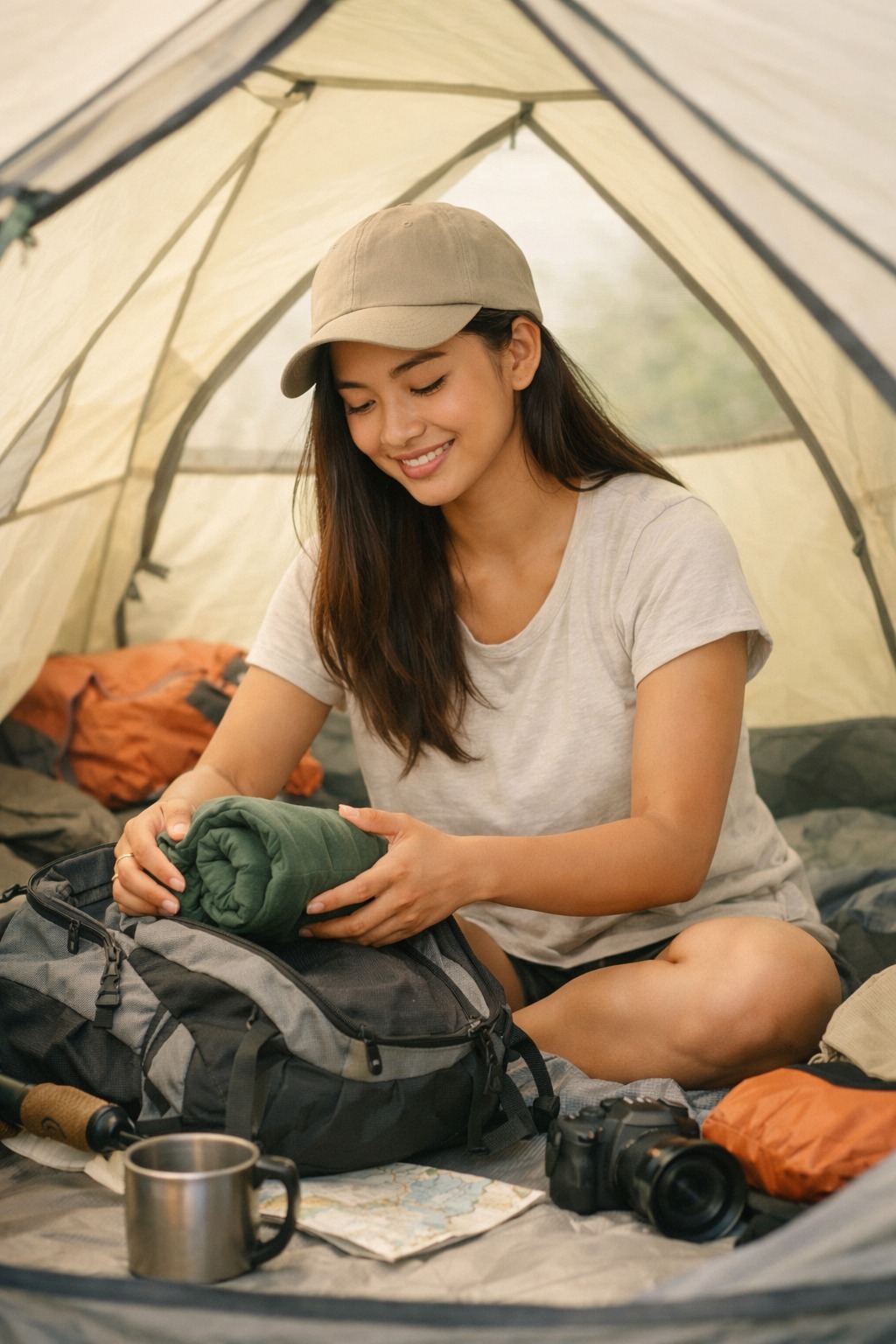
Packing System
During the trek, your main bag will be carried by the team. You will carry only a daypack with your daily essentials such as water, camera, jacket, and personal items.
Maximum weight for your main bag: 10 kg / 22 lbs
This weight must include your sleeping bag.
We recommend packing your items in:
A durable duffel bag provided by the company
A large trekking backpack
A comfortable daypack (25–40L)
Charging and WiFi on the Trail
Most teahouses along popular routes, including areas such as Everest Base Camp, offer charging facilities. However, charging requires an additional fee, and the cost increases at higher elevations.
WiFi is available in many lodges but may not always be reliable and often comes with extra charges.
We recommend bringing:
A power bank
Extra charging cables
Spare camera batteries
Please carry small Nepalese currency for charging, WiFi, hot showers, and other personal expenses along the trail.
Rental Gear Available
If needed, the following items are available for rent:
Sleeping Bag – USD 45
Down Jacket – USD 45
Trekking Poles – USD 25
Rental items must be confirmed at least one week before your trek start date.
Most other gear is better purchased personally for proper fit and hygiene. Basic trekking clothing can be purchased in Kathmandu, but quality may vary.
Important Travel Reminders
Passport
Must be valid for at least six months beyond your arrival date in Nepal.
Travel Insurance
Must cover high altitude trekking and emergency evacuation.
Health and Vaccinations
Check recommended travel health advice through your local clinic or trusted medical authority before travel.
Altitude Awareness
Trekking above 3,000 meters increases the risk of altitude sickness. Some travelers consider medication such as Diamox. Always consult your doctor before taking any prescription medicine.
Special Note: Sleeping at Everest Base Camp
If your itinerary includes an overnight stay at Everest Base Camp, proper preparation for extreme cold is essential. Temperatures can drop well below freezing. Accommodation is in expedition style tents and facilities are more basic than teahouses.
For a Base Camp overnight, you must bring:
Sleeping bag rated to at least minus 20°C
Sleeping bag liner
Heavyweight down jacket
Warm thermal layers
Extra thick wool socks
Warm hat
Insulated gloves
Hand and foot warmers
Headlamp
Fully charged power bank
Sleeping at Base Camp is a rare and unforgettable experience, but preparation is key to staying warm and comfortable.
Trekking Clothing Checklist
Layering is essential in the Himalayas. Avoid cotton and choose synthetic or wool materials.
Down jacket
Fleece jacket or vest
Waterproof shell jacket
Rain pants
Hiking pants
Long underwear, two sets
Short sleeve and long sleeve synthetic or wool shirts
Wool or synthetic hat
Warm gloves and glove liners
Wool or synthetic socks, three to four pairs
Waterproof hiking boots, well broken in
Sandals or comfortable shoes for evenings
Fleece pants
Buff or bandana
Change of clothes for Kathmandu
Break in your trekking boots before arrival to avoid blisters.
Essential Equipment
Daypack
Sleeping bag
Two reusable water bottles
Insulated bottle cover
Lightweight thermos
Headlamp
Sunglasses with UV protection
High SPF sunscreen
Quick dry towel
Flip flops
Outlet adapter
Waterproof document pouch
Zip lock bags
Toilet paper
Hand sanitizer
Wet wipes
Power bank
Trekking poles if preferred
Microspikes in colder seasons
Gaiters if snow is expected
Health and Personal Care
Personal toiletries
Personal medications
Basic first aid kit
Lip balm
Moisturizing cream
Over the counter medicine
Water purification tablets or personal filter
Electrolyte tablets
Pulse oximeter if preferred
Extra Helpful Items
Hand and foot warmers
Energy bars or snacks
Reading material
Earplugs
Eye mask
Small sewing kit
Notebook with emergency contacts
Documents and Logistics
International flight confirmation
Submitted flight details
Passport photocopy
Two passport sized photos
USD cash for tourist visa
Nepalese rupees for small purchases
Travel insurance card
Cash for tips and personal expenses
Final Thoughts
Good preparation creates a smoother and more rewarding trekking experience. The Himalayas are powerful and beautiful, and proper packing allows you to focus on the journey rather than discomfort.
If you have any questions about gear or preparation, we are always happy to guide you before your arrival in Nepal.