



Api Himal Base Camp Trek: Explore Nepal’s Hidden Himalayan Sanctuary
Trip Overview
Api Himal Base Camp Trek: Explore Nepal’s Hidden Himalayan Sanctuary
The Api Himal Base Camp Trek offers one of Nepal’s most breathtaking and secluded trekking experiences. Located in the far northwest, this trail leads into the untouched wilderness of the Api Nampa Conservation Area. Towering snow-capped peaks rise above quiet valleys, wild forests remain undisturbed, and ancient cultures continue their way of life far from the crowds of popular trekking regions. This trek is perfect for travelers seeking authenticity, serenity, and an off-the-beaten-path adventure.
Unlike the more traveled routes of Everest or Annapurna, the Api Himal Base Camp Trek offers solitude and raw natural beauty. Trekking here allows you to experience Nepal’s pristine alpine environment without the commercialization that comes with more popular trails. Each step brings unforgettable views, encounters with local communities, and a deep connection with nature.
Trek Highlights
✅ Panoramic views of Mount Api (7,132 m), Kap Chuli, Nampa I, II, III, Bobaya Chuli, and Jethi-Bahurani.
✅ Trekking through Api Himal Valley and Bhobaya Valley.
✅ Encounters with remote villages and traditional Byansi communities.
✅ Sacred sites including Chamaliya water source, Chaulani River, and Kalidhunga Taal.
✅ Diverse flora and fauna in a pristine, off-the-beaten-path environment.
Trek Through the Api Nampa Conservation Area
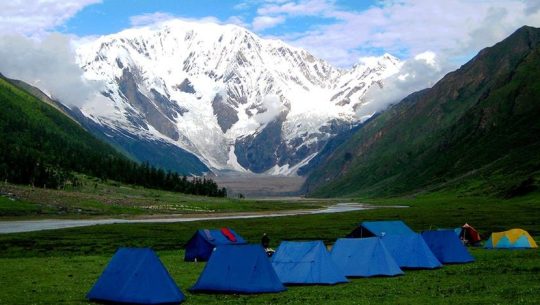
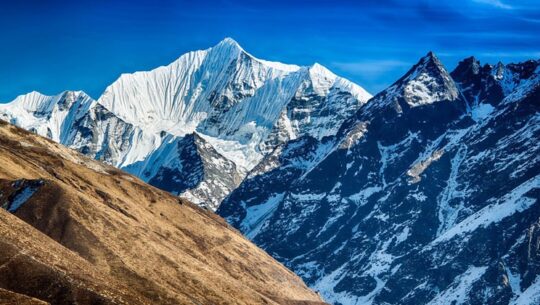
The trail winds through the heart of the Api Nampa Conservation Area, home to towering Himalayan peaks, alpine meadows, glacial lakes, and dramatic river gorges. Mount Api, standing at 7,132 meters, dominates the skyline. You will also see neighboring peaks such as Nampa, Kap Chuli, Bobaya Chuli, and Jethi-Bahurani. The route crosses rhododendron forests, narrow suspension bridges, and old villages, offering a true glimpse into one of Nepal’s most remote trekking regions.
The trek passes through diverse landscapes, from subtropical valleys to high alpine meadows. This region is rich in biodiversity. Lower altitudes are covered in pine, oak, and fir forests, while higher elevations bloom with rhododendrons and alpine wildflowers. Along the trail, you may spot Himalayan tahr, blue sheep, musk deer, and langurs. Rare animals such as snow leopards and Himalayan black bears inhabit the region, though they remain elusive. Birdwatchers can enjoy sightings of Himalayan griffons, eagles, and the colorful Himalayan monal, Nepal’s national bird.
Cultural Encounters in Far West Nepal
The trek is as much about people as it is about mountains. You will meet diverse communities including Chhetris, Brahmins, and the Byansi (Sauka) people. The Byansi have a unique culture shaped by ancient Himalayan trade and Tibetan influences. Their traditional clothing, stone houses, and shrines filled with butter lamps and prayer flags reflect centuries-old customs. Most communities rely on agriculture and animal husbandry for survival and continue to follow traditional farming practices. Warm hospitality is a hallmark of the region, and sharing meals or staying in homestays offers a genuine cultural experience.
Local festivals and rituals are an integral part of life here. Surma Sarover, for instance, is a sacred site where Surma Bhawani is worshipped during the Shukla Purnima of Shrawan. Devotees from Darchula, Bajhang, and surrounding districts gather for seven to eight days of rituals. According to legend, a saint named Chamaliya meditated at the base of Api Himal, and a spring appeared to quench his thirst, forming the Chaulani River. The river is considered sacred, and local people perform rituals here similar to those at Mansarover.
Spiritual Landscapes
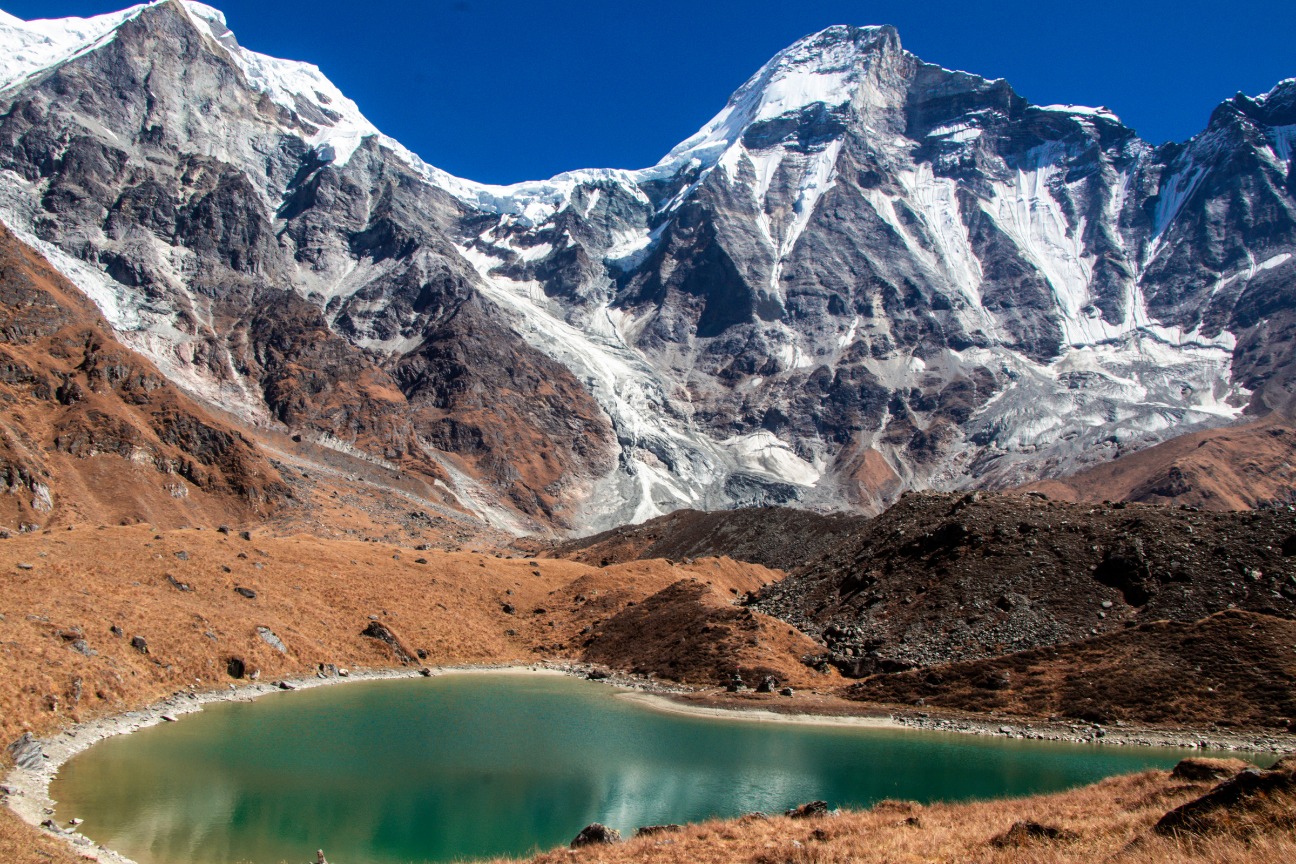
Religion and spirituality are deeply woven into the fabric of life in this region. The blend of Hinduism, Buddhism, and animist beliefs is reflected in chortens, Mani walls, and prayer flags scattered along the trail. Kalidhunga Taal, a high-altitude glacial lake near base camp, is considered sacred. Pilgrims visit this site during festivals, believing its waters have purifying and healing powers. The spiritual atmosphere adds a unique dimension to the trek, making it both a physical and soulful journey.
Historical Significance
The trails around Api Himal are steeped in history. Ancient salt trade routes linked Tibet and India, and traders once led caravans of mules and yaks through these same paths. Hand-carved bridges, old stone trails, and centuries-old shrines are still visible, connecting trekkers to the region’s rich heritage. Walking these trails allows you to literally step into history while experiencing untouched landscapes.
Trek Difficulty and Support
The Api Himal Base Camp Trek is rated as moderate to challenging. Trekkers can expect five to seven hours of walking per day across varied terrain, from gentle farmland to rocky moraines and steep ridges. Gradual altitude gain allows for natural acclimatization. Accommodation is basic, often in homestays or camps, requiring flexibility and adaptability. Nepal Wilderness Trekking Pvt. Ltd. provides professional support with experienced guides, porters, and staff to handle logistics, allowing trekkers to focus on the adventure.
Best Time to Trek
The optimal time for the trek is spring from March to May or autumn from September to November. Spring showcases blooming rhododendrons and colorful alpine meadows, while autumn offers crisp air, clear skies, and lush post-monsoon landscapes. Winter treks are possible but challenging due to snow at higher elevations. Summer is not recommended because of heavy rainfall and slippery trails.
Api Himal Trek Highlights
✅ Panoramic views of Mount Api, Kap Chuli, Nampa I, II, III, Bobaya Chuli, and Jethi-Bahurani
✅ Trekking through Api Himal Valley and Bhobaya Valley
✅ Encounters with remote villages and traditional Byansi communities
✅ Sacred sites including Chamaliya water source, Chaulani River, and Kalidhunga Taal
✅ Diverse flora and fauna in a pristine, off-the-beaten-path environment
Trek Package and Pricing
The trekking package costs $1,500. A flight ticket from Kathmandu to Dhangadi is optional and costs approximately $400. The package includes experienced guides and porters, domestic transportation, accommodation, meals, trekking permits, and assistance with all logistics.
Full Day-to-Day Itinerary
Day 01: Arrival in Kathmandu
Upon arrival in Kathmandu, you will be transferred to your hotel. This day allows you to rest after your journey and prepare for the trek ahead.
Day 02: Swayambhunath Tour & Trek Preparation
Visit Swayambhunath, also known as the Monkey Temple, and then return to your hotel to check gear, purchase supplies, complete permits, and attend a trek briefing.
Day 03: Kathmandu → Dhangadi or Attariya
Option to fly from Kathmandu to Dhangadi (~1 hr) or take a night bus to Attariya (~750 km / 18 hrs). Taking the flight allows for a connecting bus to Latinath on the same day.
Day 04: Attariya → Latinath
Travel by night bus (~260 km / 13 hrs). Stop for dinner at Saule and morning tea at Gokuleshwer, arriving at Latinath early morning.
Day 05: Latinath → Makarigad → Khandeshwori
Take a jeep from Latinath to Makarigad (~7 km) with lunch included. Trek onward to Khandeshwori (~6 km) via Makarikot. Homestay options are available at Khatti Village or Naupata.
Day 06: Khandeshwori → Thumti → Lumcha
Trek to Thumti (~2 hrs from Chiiti Village/Naupata), enjoy lunch at Didi Kuma Thakere’s homestay, then trek via Kothedhar to Lumcha (~12 km / 7.5 hrs). Stay at local homestays with basic facilities.
Day 07: Lumcha → Chhirchhire → Simar
Trek to Chhirchhire for lunch (~2,500 m), then continue to Simar (~10 km / 5 hrs). Simar has a single tea house; Domal nearby has minimal facilities.
Day 08: Simar → Dhaule Odar → Bhobaya Valley
Scenic trek to Dhaule Odar, enjoy lunch, then sightseeing at Bhobaya Valley (~3 km one way, 6 km return) for acclimatization.
Day 09: Dhaule Odar → Api Base Camp → Kali Dhunga Tal → Return Dhaule Odar
Trek to Api Base Camp, visit Chamaliya water source, continue east to Kali Dhunga Tal, return to Api Base Camp for lunch, then trek back to Dhaule Odar (~15 km).
Day 10: Dhaule Odar → Simar → Chhirchhire → Khaykot
Trek through Simar and Chhirchhire to Khaykot (~18 km). Optional extension to Sitti Village for better homestay facilities (+3 km).
Day 11: Khaykot → Sitti Village → Ghusha → Jhusku
Trek via Sitti Village and Ghusha to Jhusku (~14 km). Accommodation at local homestays, including Dhan Shing Dai and Didi’s home.
Day 12: Jhusku → Makarigad → Latinath
Trek from Jhusku to Makarigad (~4 km, ~1.5 hrs), then drive by jeep to Latinath (~7 km).
Day 13: Latinath → Attariya
Travel by night bus (~260 km / 13 hrs). Jeep option available but requires a minimum of six people.
Day 14: Attariya → Kathmandu
Return to Kathmandu by night bus (~750 km) or drive to Dhangadi Airport and fly (~50 min). Option to break journey via Bardiya National Park.
Day 15: Departure from Kathmandu
Transfer to the airport for your onward flight, concluding the 15-day Api Himal Base Camp Trek.
Full Day-to-Day Itinerary with Distances and Travel Times
Day 01: Arrival in Kathmandu
Upon arrival in Kathmandu, you will be transferred to your hotel. Rest after your journey and prepare for the trek.
Day 02: Swayambhunath Tour & Trek Preparation (Kathmandu)
Visit Swayambhunath (Monkey Temple), followed by trek preparations, gear checks, and permit formalities in Kathmandu.
Day 03: Kathmandu → Dhangadi by flight (~1 hr, 560 km) or Kathmandu → Attariya by night bus (~750 km / ~18 hrs)
Flight option is faster (~1 hour) and convenient, while the night bus is economical but longer. If you take the flight, you can catch a connecting bus to Latinath the same day to save time.
Day 04: Attariya → Latinath by night bus (260 km / 13 hrs)
Depart Attariya around 5 PM. Stop for dinner at Saule (~11 PM) and morning tea at Gokuleshwer (~4 AM). Arrival at Latinath is typically around 6 AM. Jeep options are available but need prior booking.
Day 05: Latinath → Makarigad by jeep (~7 km / ~1 hr) → Trek Makarigad → Khandeshwori (~6 km / ~2 hrs)
Take a local jeep to Makarigad, enjoy lunch, then trek to Khandeshwori via Makarikot. Homestay options: Khatti Village (Gita Madame, 9865796594) or Naupata (Raimati Thakere, 9865773599).
Day 06: Khandeshwori → Thumti (~5 km / ~2 hrs) → Lumcha (~7 km / ~5.5 hrs)
Trek from Khandeshwori to Thumti for lunch at Didi Kuma Thakere’s homestay (9703673166). Continue through Kothedhar forest to reach Lumcha. Accommodation: Chairperson’s house (9868810761). Total trekking distance ~12 km / ~7.5 hrs.
Day 07: Lumcha → Chhirchhire (~5 km / ~2.5 hrs) → Simar (~5 km / ~2.5 hrs)
Trek to Chhirchhire for lunch (2,500 m) and continue to Simar. Total ~10 km / 5 hrs. Simar has one basic tea house; Domal has minimal facilities.
Day 08: Simar → Dhaule Odar (~9 km / ~4 hrs) → Bhobaya Valley Sightseeing (~3 km one way / 6 km return)
Scenic trek along wide valleys with mountain views of Jethi Bahurani. Lunch at Dhaule Odar, followed by an optional sightseeing trip to Bhobaya Valley for acclimatization.
Day 09: Dhaule Odar → Api Base Camp (~7 km / ~3 hrs) → Kali Dhunga Tal (~4 km / ~2 hrs) → Return Dhaule Odar (~15 km total)
Trek from Dhaule Odar to Api Base Camp, visit Chamaliya water source, continue east to Kali Dhunga Tal, and return to Dhaule Odar. Full Y-shaped trek covers ~15 km / ~7 hrs.
Day 10: Dhaule Odar → Simar → Chhirchhire → Khaykot (~18 km / ~7 hrs)
Return trek covering ~18 km, optional extension (+3 km) to stay in Sitti Village for better homestay facilities.
Day 11: Khaykot → Sitti Village → Ghusha → Jhusku (~14 km / ~5 hrs)
Trek through Sitti Village and Ghusha, downhill sections to rivers, and final climb to Jhusku. Accommodation at Dhan Shing Dai and Didi’s home (9841716545).
Day 12: Jhusku → Makarigad (~4 km / ~1.5 hrs) → Drive Makarigad → Latinath by jeep (~7 km / ~1 hr)
Short trek to Makarigad, lunch, then jeep transfer to Latinath for onward travel.
Day 13: Latinath → Attariya by night bus (~260 km / ~13 hrs)
Night bus from Latinath to Attariya. Jeep option available for groups but more expensive.
Day 14: Attariya → Kathmandu (~750 km / ~18 hrs by night bus) or Dhangadi → Kathmandu (~50 min flight)
Return by night bus or flight. Optional stop at Bardiya National Park for a break in the journey.
Day 15: Departure from Kathmandu
Transfer to the airport for your onward flight. End of the Api Himal Base Camp adventure.
Trek Package and Pricing
Trekking package: $1,500
Optional flight from Kathmandu to Dhangadi: $400
Includes: Experienced guides and porters, domestic transportation, accommodation, meals, trekking permits, and assistance with logistics.
Conclusion
The Api Himal Base Camp Trek is an unforgettable adventure into one of Nepal’s most remote and pristine regions. It combines stunning alpine scenery, rich biodiversity, fascinating cultural encounters, and spiritual landscapes. Trekkers experience a rarely explored Himalayan region, walking ancient trails and interacting with local communities while witnessing the awe-inspiring peaks of Api, Kap Chuli, Nampa, Bobaya Chuli, and Jethi-Bahurani.
With expert guidance from Nepal Wilderness Trekking Pvt. Ltd., all logistics, permits, accommodation, and meals are taken care of, allowing travelers to fully immerse in the natural and cultural wonders of Far West Nepal. This trek is ideal for those seeking solitude, authentic cultural experiences, and the raw beauty of untouched Himalayan landscapes.
Gallery
Dates & Prices
We ensure departures on all published dates. If these dates don’t align with your plans, we’re happy to assist in setting a customized date. Whether you’re a solo traveler, a couple, a family, or a group seeking private trips, you can tailor-make your adventure. Reach out to us for pricing details or any other queries.
Group Discount Prices
Traveler Reviews

Tripadvisor Reviews
-
 Best choice for trekking in Nepal - We were so lucky to come across Ama Adventure in a Facebook group, and specifically Goma Thapa, who's an experienced, educated, trekking powerhouse woman in charge of Ama trekking expeditions.... read more
 Zofia F
December 30, 2023 Great Lakes Trail, Gorkha, Nepal - This is my first solo trekking which I chose a 7 days trip that included day tour and Great Lakes Tail. I am so greatful because I met an authentic... read more  Namaste S
February 11, 2025 Travelling to Nepal 🇳🇵 - Best of the best company ever! I have a wonderful experiences trekking to Everest Basecamp, Chola pass and Gokyo Lake with Goma.  Flyer19890147734
October 22, 2023 - Highly recommend Goma and AMA Adventure - Highly recommend Goma from AMA Adventure. Amazing trekking guide, took us to EBC + Chola Pass + Gokyo Lakes. Honest, punctual, lovely company to have. Have trekked with... read more Cruiser613242
November 25, 2024 Extremely happy with ama - Ama booked me with an extordinary well connected and knowledgeable guide for ABC and ebc. Best teahouses, best food, most professional guide and porter. Fluent English speaker and the guide... read more  Montanapants
August 13, 2023 MY EXPERIENCE WAS A SUCCESS, TWO TIMES :) - It took me a long time to give birth to my experience with Ama Adventure through a review ! Actually, it's been such a SUCCESS, I had the idea that... read more  Maya A
January 23, 2025